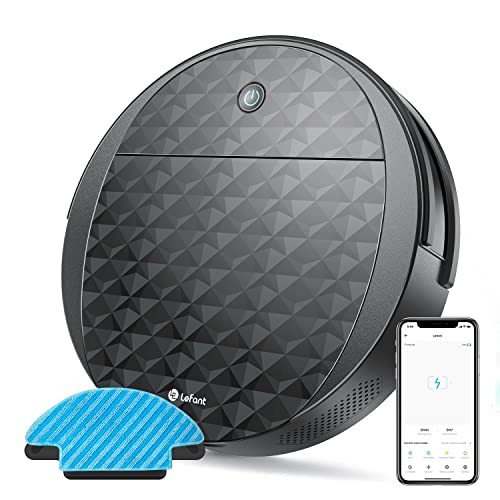
The Rise of Robot Sweepers: Revolutionizing Household Cleaning
In the fast-paced world of technology, robotic appliances have become valuable buddies in the quest for a cleaner home. Among these technological marvels, robot sweepers have gained significant popularity due to their capability to execute cleaning jobs successfully while lessening human effort. This article explores the intricacies of robot sweepers, their benefits, running mechanisms, and their future in family cleaning.
What Are Robot Sweepers?
Robot sweepers, often described as robotic vacuum, are autonomous devices created to tidy floors with minimal human intervention. Geared up with numerous sensors, brushes, and suction abilities, these smart gadgets navigate through living spaces, selecting up dust, dirt, and particles efficiently. They can be found in different shapes and sizes, dealing with various cleaning requirements and floor types.
Secret Features of Robot Sweepers
Smart Navigation Systems:
- Many robot sweepers use advanced navigation systems such as LIDAR or camera-based mapping to create an in-depth map of the area they clean. These systems help them navigate effectively and prevent challenges.
Arranged Cleaning:
- Users can typically set robot sweepers to run at particular times, making it easy to keep a tidy home without manual intervention.
Sensors and Detectors:
- Robot sweepers are geared up with sensors that permit them to spot dirtier locations and adjust their cleaning intensity appropriately. Some designs can even identify stairs and ledges to avoid falling.
Compatibility with Smart Home Systems:
- Many robot sweepers can perfectly incorporate with smart home environments, making it possible for voice command performances and push-button control via smart device apps.
Advantages of Using Robot Sweepers
Robot sweepers use various benefits that make them attracting a broad variety of users:
Time-Saving:
- One of the most considerable benefits of robot sweepers is their capability to save time. Users can configure their gadgets to tidy while they engage in other activities, such as working or hanging around with household.
Effective Cleaning:
- With the ability to clean under furniture and in tight areas, robot sweepers frequently reach locations that standard vacuum can not, ensuring a thorough cleaning experience.
Minimized Physical Labor:
- Robot sweepers decrease the physical needs of cleaning, making them perfect for senior people or those with movement concerns.
Consistent Maintenance:
- Regularly set up cleansings can promote better overall hygiene and health, particularly for people with allergic reactions to dust or pet dander.
User-Friendly:
- Generally developed for ease of use, robot sweepers need very little setup and can often be operated with simply a couple of taps on a mobile phone app.
Table: Comparison of Popular Robot Sweepers
| Design | Smart Navigation | Suction Power | Battery Life | Price (Approx.) | Unique Features |
|---|---|---|---|---|---|
| iRobot Roomba 980 | Yes | High | 120 minutes | ₤ 799 | CarpetBoost innovation |
| Neato Botvac D7 | Yes | Medium | 120 minutes | ₤ 599 | D-shape design for corners |
| Eufy RoboVac 30C | Fundamental | Medium | 100 minutes | ₤ 249 | Quiet operation |
| Roborock S6 | Yes | High | 180 minutes | ₤ 649 | Mopping capability |
| Ecovacs Deebot OZMO | Yes | Medium | 110 minutes | ₤ 399 | Smart mopping functions |
How Robot Sweepers Work
Understanding the inner operations of robot sweepers can shed light on why they are so reliable. Here's a simplified overview of the procedure:
- Mapping: The robot sweeper starts by scanning the environment to map out the space using laser sensing units or electronic cameras.
- Navigation: Once the area is mapped, the robot makes use of the information to navigate effectively, cleaning partial sections before moving on to others.
- Cleaning: Equipped with brushes and suction systems, the robot sweeper gathers debris and dirt from floorings.
- Returning Home: Upon completing its task or when the battery is low, the robotic vacuum instantly goes back to its charging dock.
Frequently Asked Questions About Robot Sweepers
1. Can robot sweepers change standard vacuum?
- While robot sweepers are excellent for maintaining tidiness and handling light dirt, they might not totally replace conventional vacuums for deep cleaning tasks.
2. How frequently should I run my robot sweeper?
- It is advisable to run robot sweepers at least two times a week, depending upon foot traffic in your home.
3. Are robot you could try these out for family pet owners?
- Yes, lots of models are particularly developed for family pet hair removal and feature specialized brushes and powerful suction options.
4. Do robot sweepers work on carpets?
- Many robot sweepers can clean up carpets successfully, however suction power and brush design might vary. High-end designs typically have settings to adjust to carpeted surface areas.
5. Just how much do robot sweepers cost?
- Rates vary based upon functions and brand names, varying from about ₤ 200 for budget options to over ₤ 900 for high-end models with innovative abilities.
The expansion of robot sweepers marks a significant advancement in home cleaning innovation. While they may not entirely change conventional cleaning techniques, robot sweepers supply unmatched benefit, performance, and the capability to reduce physical pressure on users. As technology progresses, these devices are likely to become even smarter, more effective, and more incorporated with other smart home systems, making them a staple in modern families. Eventually, the adoption of robot sweepers is a testimony to the evolving landscape of home cleaning services-- one that boosts everyday life and promotes a cleaner living environment.